
The Ultimate Guide to Toy Story Continued:
The Science of Buzz Lightyear, How to Make A DIY Toy Story Halloween Costume and the Making of the Toy Story Films

TABLE OF CONTENTS
To Infinity and Beyond: The
Synthesis of Art, Technology,
and
Capital of Buzz Lightyear
DIY Guide to Making Your Own
Sheriff Woody Halloween
Cosplay Costume
DIY Guide to Making Your Own
Jessie the Cowgirl
Halloween
Cosplay Costume
DIY Guide to Making Your Own
Buzz Lightyear Halloween
Cosplay Costume
Supporting Characters
How a Room Full of Toys Changed Cinema History
Evolutionary Arc of the Quadrology
Cultural Impact and Pop Culture Legacy
The Making of Toy Story 1
The Making of Toy Story 2
Frequently Asked Questions
To Infinity and Beyond: The Synthesis of Art, Technology, and Capital of Buzz Lightyear
When Toy Story premiered in November 1995, it did not merely introduce audiences to a pioneering medium of cinematic storytelling; it inaugurated a profound paradigm shift in how characters are created, commodified, and integrated into the global cultural consciousness. At the epicenter of this revolution stood Buzz Lightyear, a high-tech, plastic Space Ranger whose catchphrase, "To infinity and beyond!" became an anthem for a new era of digital expression.
Buzz Lightyear is more than a beloved animated character; he is a complex intersection of design history, cutting-edge computer-generated imagery (CGI), vocal performance, and late-twentieth-century consumer capitalism. This essay examines Buzz’s journey from a series of evolving design concepts to a digital pioneer, analyzing the contributions of his primary voice actor, Tim Allen, the technological challenges of his digital rendering, his immediate impact on global toy markets, and his broader role as a modern mythological icon who simultaneously critiques and exemplifies the structures of global consumer culture.
Part I: The Genesis of a Space Ranger — Narrative and Aesthetic Origins
The development of Buzz Lightyear was not a straightforward path but rather a highly iterative process that mirrored Pixar’s own search for identity. In the early 1990s, Pixar was transitioning from an award-winning hardware and short-film studio into a feature-length narrative powerhouse under a high-stakes distribution deal with Walt Disney Feature Animation.
The narrative core of what would become Toy Story was born out of director John Lasseter’s 1988 short film Tin Toy, which featured a small tin one-man-band toy named Tinny who encounters a terrifying, destructive baby.
Tin Toy (Tinny) ── Tempus from Morph ── Lunar Larry ── Buzz Lightyear (Tin Wind-up) (Red Toy Soldier) (Retro Space) (Modern Sci-Fi)
From Tinny to Lunar Larry
In early treatments for Toy Story, Tinny was slated to be the protagonist. He was envisioned as an outdated toy who gets lost during a family move and teams up with a sarcastic ventriloquist's dummy (the early precursor to Woody). However, Lasseter and his small creative team—including Andrew Stanton, Pete Docter, and Joe Ranft—quickly realized that Tinny was too antique and fragile to carry a dynamic, high-stakes buddy road movie. They needed a character who represented the pinnacle of modern, high-tech toy design to contrast with the rustic, old-fashioned, hand-painted aesthetic of a traditional cowboy doll. The team began brainstorming ideas for a space-themed action figure, inspired by the GI Joes, Major Matt Masons, and Captain Action figures of their youths.
- Tempus from Morph: The first iteration of the space-faring character was named "Tempus from Morph," a red-suited toy soldier from a popular fictional cartoon series.
- Lunar Larry: Recognizing that red was visually dominant and perhaps too aggressive, the designers changed his name to "Lunar Larry" and began experimenting with his color palette and suit details.
- Buzz Lightyear: The name "Lunar Larry" was eventually discarded as too childish. Screenwriter and animator teams wanted something that felt more grounded in real aerospace history while retaining a classic sci-fi ring. They eventually settled on "Buzz Lightyear"—a direct tribute to Apollo 11 astronaut Edwin "Buzz" Aldrin, the second human to walk on the Moon.
The Aesthetic DNA: Designing the Space Ranger Suit
The physical design of Buzz Lightyear’s suit is a masterclass in visual storytelling, blending historical reality with futuristic fantasy. To make Buzz look like an authentic, highly desirable action figure that a child in 1995 would desperately crave, the design team at Pixar looked to several disparate sources:
- NASA Apollo Spacesuits: The base of Buzz’s suit—the bulky, white torso, the blue seal rings, and the massive clear bubble helmet—is directly modeled after the Extravehicular Mobility Units (EMUs) worn by Apollo and Space Shuttle astronauts.
- G.I. Joe and Major Matt Mason: The articulation points, the mechanical joints, and the heavy use of plastic paneling were inspired by the action figures of the 1960s and 70s.
- The Color Palette: The choice of purple and lime green was deliberate and highly calculated. John Lasseter chose lime green because it was his favorite color, while his wife, Nancy, loved purple. Beyond personal preference, this specific color combination was virtually unprecedented in sci-fi design. It bypassed the stark, utilitarian grays and whites of realistic space programs, as well as the dark, grim tones of 1990s comic book heroes, creating a bright, eye-catching aesthetic that popped on theater screens and toy shelves alike.
Part II: Giving Voice to the Toy — Tim Allen’s Performance and the Evolution of the Character
While the visual design of Buzz Lightyear was striking, the character could not truly exist without a voice that could balance his inherent contradictions: he is a plastic toy who is utterly, tragically convinced that he is a real, universe-protecting Space Ranger.
Finding the Voice: The Casting of Tim Allen
Pixar originally envisioned a very different voice for Buzz. Their first choice was Billy Crystal, who was riding a wave of massive commercial success in the late 80s and early 90s. Crystal turned down the role—a decision he later called the biggest mistake of his professional career.
Following Crystal's rejection, Pixar approached several other high-profile actors, including Bill Murray and Chevy Chase, before casting director Ruth Lambert suggested Tim Allen.
At the time, Tim Allen was one of the biggest stars in American entertainment.
He was the lead of ABC’s hit sitcom Home Improvement, which routinely topped the Nielsen ratings, and his stand-up comedy centered around a hyper-masculine, tool-obsessed, grunting persona that resonated deeply with suburban America. This persona was precisely what Pixar needed.
The narrative core of what would become Toy Story was born out of director John Lasseter’s 1988 short film Tin Toy, which featured a small tin one-man-band toy named Tinny who encounters a terrifying, destructive baby.
The Psychology of Delusion
Allen’s performance as Buzz is built on a foundation of absolute, deadpan sincerity. Unlike Woody, who is acutely aware of his status as a plaything, Buzz approaches his environment with the clinical, disciplined mind of a military officer.
Buzz's Delusional Mindset
- Space Ranger on a mission
- Laser is a deadly weapon
- Wings allow orbital flight
- Gravity is "falling with style"
Buzz's Delusional Mindset
- Plastic 12-inch toy
- Little red light-emitting diode
- Spring-loaded plastic flaps
- Simple downward acceleration
Allen played Buzz not as a buffoon, but as a dedicated public servant operating under a profound cognitive dissonance. When Buzz scan-analyzes Andy’s bedroom, he doesn't see a child's sanctuary; he sees an alien planet with "unstable carbon levels." His laser is not a light-emitting diode (LED) but a deadly weapon capable of vaporizing a foe.
This psychological friction is where the comedy—and ultimately the tragedy—of the character resides. Allen’s vocal performance shines brightest during Buzz's inevitable existential crisis in the middle of the first film.
When Buzz sees a commercial for himself on television and realizes he is indeed just a mass-produced, plastic toy made in Taiwan, his worldview collapses.
Allen masterfully shifts Buzz’s voice from a booming, authoritative baritone to a fragile, pitch-slurred register as "Mrs. Nesbitt"—a tea-drinking, one-armed doll who has surrendered to madness. This transition is both hilarious and deeply poignant, representing a loss of innocence and a classic identity crisis that grounds the film's fantastical premise in genuine human emotion.
Part III: The Digital Frontier — Creating Buzz Lightyear in CGI
The creation of Toy Story was a landmark moment in computer science. Before 1995, computer animation was largely relegated to short films, television commercials, and special effects in live-action movies. Creating a 77-minute feature film entirely within a virtual 3D environment required the invention of new software, hardware, and artistic techniques.
The Geometry of Plastic: Modeling and Rigging
To build Buzz Lightyear inside a computer, Pixar's technical directors had to write his physical geometry using mathematical equations. Buzz was modeled using non-uniform rational B-splines (NURBS), a mathematical model commonly used in computer graphics for generating curves and surfaces. Unlike organic characters like Woody, who required complex, flexible skin deformation models, Buzz was composed of rigid, hard-surface pieces of plastic. While this made his surface modeling somewhat more straightforward, his joint articulation presented a massive technical hurdle.
- Rigging the Joints: Technical directors had to build a digital skeleton (or "rig") that allowed Buzz's joints to rotate realistically without his plastic armor clipping or intersecting with itself.
- The "Avatar" Controls: To give animators control over Buzz’s face and body, rigging artists created hundreds of digital control points, known as "Avatars." Buzz's face alone had dozens of controls to manipulate his strong jawline, his expressive eyebrows, and the distinctive swirl on his chin.
- The Clear Helmet: Rendering transparent surfaces in early CGI was incredibly difficult. The computer had to calculate how light bent as it passed through the double-sided curved geometry of Buzz’s clear plastic helmet, while also calculating the reflections of Andy's room on the outer surface. This required custom-written ray-tracing shaders that pushed 1995 hardware to its absolute limits.
RenderMan and the Physics of Light
Once Buzz was modeled, rigged, and animated, the scenes had to be processed through Pixar's proprietary rendering software, RenderMan. Rendering is the process of calculating the final 2D image from the 3D scene data, accounting for lighting, shadows, textures, and camera angles.
In 1995, the computing power required to render Toy Story was immense. Pixar used a "render farm" consisting of 117 Sun Microsystems computers running 24 hours a day. Each frame of the movie took anywhere from 45 minutes to 30 hours to render, depending on its complexity.
The technical team had to carefully balance the surface shaders of Buzz's suit to ensure he looked like high-grade injection-molded plastic. If the surface was too shiny, he looked like glass; if it was too dull, he looked like stone. Through meticulous adjustments of specular highlights (how light reflects off a surface) and diffuse color, Pixar established the quintessential "toy-grade" plastic look that defined the film's ground-breaking aesthetic.
Part IV: The Toy That Shook the Market — Buzz Lightyear and Late-Capitalism
If Toy Story was a triumph of art and technology, it was also a historical milestone in modern commercial capitalism. The film is fundamentally about toys—objects designed specifically to be bought, sold, and consumed. In an irony that remains one of the most fascinating chapters in toy history, the film’s narrative predicted, and then fueled, an unprecedented real-world consumer frenzy.
The Real-World Supply Chain Crisis of 1995
During the production of Toy Story, Disney sought a toy manufacturing partner to produce the merchandise that would accompany the film’s release. Major toy conglomerates like Hasbro and Mattel turned down the license, skeptical that a film made entirely on computers would appeal to children, and doubtful that a Western cowboy and a space action figure could compete with established franchises like Power Rangers or Barbie.
Ultimately, Disney partnered with a small, struggling toy company based in Toronto called Thinkway Toys. Thinkway secured the master toy license and produced a 12-inch, movie-accurate Buzz Lightyear action figure, complete with a working laser light, pop-out wings, and voice clips from the film.
- Toy Story Premieres (Nov 1995)
- Unprecedented Consumer Demand
- Retailers Sold Out / Production Deficit
- Thinkway Toys Ramps Up Global Production
- Black Market Resale Prices Rocket to $300-$500
When Toy Story premiered to rave reviews and record-breaking box office numbers, demand for the Buzz Lightyear action figure exploded overnight.
- The Scarcity: Thinkway had only produced a modest run of toys, expecting moderate sales. By December 1995, retail stores across North America and Europe were completely sold out of Buzz Lightyear figures.
- The Black Market: Parents went to desperate lengths to secure a Buzz Lightyear for Christmas. The toy, which retailed for roughly $30, began selling on the secondary black market and early internet classifieds for upwards of $300 to $500.
- Global Logistics: Thinkway and Disney scrambled to fly toys directly from factories in China via air freight—an incredibly expensive logistics move usually reserved for high-value electronics or medical supplies—rather than shipping them via cargo container ships, just to meet the holiday demand.
This real-world consumer desperation perfectly mirrored the plot of the film, wherein Woody's jealousy of Buzz is driven by Buzz’s status as the shiny, new, highly-coveted consumer commodity that displaces older, handmade items.
Part V: Buzz Lightyear as a Cultural and Sociological Icon
Beyond his commercial success, Buzz Lightyear has left an indelible mark on popular culture, serving as a rich subject for academic analysis, psychological inquiry, and sociological critique.
The Metaphor of the Self: The Existential Crisis
In academic circles, Buzz Lightyear is frequently cited as a textbook representation of the postmodern identity crisis. Sociologist Jean Baudrillard’s concept of simulacra and simulation—the idea that our society has replaced all reality and meaning with symbols and signs, and that what we experience is a simulation of reality—applies perfectly to Buzz.
[Baudrillard's Simulacra] ──> [Buzz Lightyear's Existential Journey]
Level 1: Reflection of reality - Buzz thinks he is a real Space Ranger.
Level 2: Mask of reality - Buzz functions as a toy but rejects it.
Level 3: Absence of reality - Buzz realizes his reality is a TV commercial.
Level 4: Pure Simulacrum - Buzz accepts his role as Andy's toy, finding peace.
Buzz begins his life in a state of hyperreality. He does not know he is a toy; he believes he is the literal manifestation of his back-story. His entire existence is structured around a fictional narrative created by a marketing department to sell plastic. When he watches the television commercial in Sid’s house, he experiences a traumatic rupture. He realizes that his memories, his mission, and his very identity are mass-produced illusions.
Buzz's subsequent leap from the staircase in an attempt to fly out of the window is a powerful metaphor for the human struggle to transcend our limitations. His wing breaks, and he crashes to the floor—a physical manifestation of the death of his grand illusion.
Yet, Toy Story does not end in nihilism. Buzz’s character arc is defined by his ability to find a new, authentic purpose within his limitations. He accepts his identity as a toy, realizing that being loved by a child and bringing joy to a human life is a noble mission in its own right. It is a profound existential resolution: we may not be the cosmic heroes we imagined ourselves to be, but we can find deep, transformative meaning in our immediate, local relationships.
Impact on the Lexicon and Global Space Culture
Buzz’s signature phrase, "To infinity and beyond!" has transcended the boundaries of the film to become a permanent fixture of the English lexicon. It has been quoted by astronauts, politicians, and academics alike, serving as a poetic expression of limitless human potential and scientific curiosity.
In a beautiful circle of life, the character inspired by NASA ended up inspiring NASA in return. In 2008, a 12-inch Buzz Lightyear action figure was flown aboard the Space Shuttle Discovery (STS-124) to the International Space Station (ISS).
Buzz spent 467 days in space, participating in educational outreach programs that taught children about STEM (Science, Technology, Engineering, and Math) concepts, before returning to Earth to be honored with a parade at Walt Disney World alongside his namesake, Buzz Aldrin. Today, that very action figure sits in the permanent collection of the Smithsonian National Air and Space Museum, cementing his status as a legitimate artifact of space exploration history.
Conclusion: The Legacy of a Plastic Pioneer
Buzz Lightyear’s journey from a series of rough sketches at a fledgling Northern California animation studio to a multi-billion-dollar global icon is a testament to the power of collaborative storytelling, technological innovation, and cultural resonance.
Through the vocal genius of Tim Allen, the pioneering technical wizardry of Pixar's computer scientists, and an astute understanding of consumer desire, Buzz became a character who defined a generation of filmmaking. He stands as a monument to the moment when computers learned to act, when toys became cinema, and when an artificial Space Ranger captured the hearts of a global audience by showing us that our truest adventures are the ones we share with the people we love
Year | Milestone | Historical Impact |
|---|---|---|
1995 | Toy Story Premieres | The world's first fully CGI feature film; Buzz Lightyear action figure sparks a global retail supply crisis. |
1999 | Toy Story 2 | Deepens Buzz's lore with the introduction of Emperor Zurg and another "delusional" Utility Belt Buzz. |
2000 | Buzz Lightyear of Star Command | Deepens Buzz's lore with the introduction of Emperor Zurg and another "delusional" Utility Belt Buzz. |
2008 | ISS Space Mission | Buzz Lightyear action figure spends 467 days aboard the International Space Station to promote STEM education. |
2010 | Toy Story 3 | Introduces "Spanish Mode" Buzz, showcasing Tim Allen's physical and linguistic comedic range. |
2019 | Toy Story 4 | Explores Buzz's "inner voice" (his button-activated catchphrases) as a guide for moral decision-making. |
Lightyear | A sci-fi action-adventure film presenting the "real-universe" hero that inspired Andy's toy, voiced by Chris Evans. |
DYI GUIDE TO MAKING YOUR OWN SHERIFF WOODY HALLOWEEN COSPLAY COSTUME
Bring the iconic leader of Andy's toys to life with this step-by-step guide to crafting a custom Sheriff Woody costume. Whether you are heading to a Halloween party, a cosplay convention, or a Disney park, this practical breakdown covers everything you need to assemble an authentic-looking Woody outfit.

Costume Creation Journey
Step 01
1. Core Wardrobe & Soft Goods
The foundation of Woody's look relies on distinct, vintage-inspired Western wear. You can source these items thrifted or modify existing pieces or purchase them at TV Store Online here
- The Yellow-and-Red Plaid Shirt: Look for a long-sleeve yellow western shirt with red diagonal grid lines and snap buttons. If you can't find the exact pattern, a standard yellow-and-red plaid button-down works great as a base.
- Blue Denim Jeans: Standard straight-leg blue jeans. To capture the animated look, look for a medium wash with a slightly relaxed fit.
- Brown Leather Belt & Oversized Buckle: A thick brown belt featuring a prominent, shiny gold or brass belt buckle (square or rounded rectangle)
- Red Bandana: A classic paisley-patterned red bandana tied loosely around the neck.
Step 02
Cow-Print Vest
Woody’s signature vest is the centerpiece of the costume. You can easily make this from scratch or modify an existing garment:
- Materials Needed: White felt or faux-cowhide fabric, black felt (for spots), and fabric glue or a sewing machine.
- The Build:
- Cut out a sleeveless vest pattern using an old vest or t-shirt as a template.
- If using plain white felt, cut irregular, organic blotch shapes out of black felt.
- Glue or sew the black spots randomly across the front and back panels of the white vest.
- Hem the edges for a clean, finished look.
Step 03
Sheriff Badge & Accessories
No sheriff is complete without their insignia and trusty firearm defense (even if it's a pull-string voice box).
- The Sheriff Star:
- Cut a five-pointed star out of yellow craft foam, cardboard, or gold metallic cardstock.
- Write "SHERIFF" in bold black marker across the center bar of the star.
- Attach a safety pin to the back to secure it to the left chest of your cow-print vest.
- The Holster & Belt Rig:
- Use a secondary thin leather or brown faux-leather strap to fashion a drop-leg holster around your right hip.
- Attach a simple faux leather pouch or holster pocket to complete the classic Western lawman aesthetic.
Step 04
Cowboy Boots & Spurs
Footwear ties the entire cowboy ensemble together:
- The Boots: Classic brown leather or faux-leather cowboy boots with a distinct heel and pointed toe.
- The Spurs (Optional):
- Cut star shapes and spur arms out of gray craft foam or cardboard.
- Paint them with metallic silver acrylic paint.
- Secure them around the heel of your boots using elastic bands or dark cord so they rest just above the heel.
Step 05
The Hat
Woody’s wide-brimmed cattleman hat finishes the transformation:
- The Base: A brown felt or suede cowboy hat with a pinched crown and rolled brims.
- The Details: Wrap a thin white cord or leather string around the base of the crown just above the brim, matching Woody's animated hatband
Toy Story Costume Collection

Toy Story Pizza Planet Alien Adult Unisex T-Shirt
Show off your Toy Story fandom with this officially licensed Pizza Planet Alien T-shirt! Made from soft 100% cotton with a comfortable adult unisex fit, it’s perfect for casual wear, Disney trips, movie nights, cosplay, or any Pixar fan.
Price: $23.95
Shop Now - $23.95
Toy Story Sheriff Adult Long Sleeve Costume Shirt
Playtime never ends with this officially licensed Toy Story Sheriff t-shirt! Made from comfortable cotton with a classic Sheriff-inspired design, it’s perfect for Halloween, costume parties, cosplay, or everyday wear.
Price: $32.95
Shop Now- $32.95
Toy Story Buzz Lightyear Juniors Costume T-Shirt
To infinity and beyond with this officially licensed Buzz Lightyear t-shirt! Featuring a fun design and comfortable juniors fit, it’s perfect for casual wear, costume parties, or any Toy Story fan ready for adventure.
Price: $17.24
Shop Now - $17.24DYI GUIDE TO MAKING YOUR JESSIE THE COWGIRL HALLOWEEN COSPLAY COSTUME
When it comes to iconic, instantly recognizable Halloween costumes, few characters capture the spirited, adventurous energy of Disney Pixar's Toy Story quite like Jessie the Yodeling Cowgirl. With her signature red yarn hair, bold cow-print chaps, and optimistic "Yee-haw!" attitude, Jessie is a perennial favorite for fans of all ages. Assembling a DIY Jessie the Cowgirl costume is a rewarding craft project that allows you to capture her classic western look with precision and flair. Whether you are prepping for a costume party, a themed event, or trick-or-treating, here is a comprehensive guide to building your own Jessie costume from scratch.

Step 1: Gather Your Base Wardrobe Pieces
Before diving into the custom details, you will need to source or construct the foundational garments that form Jessie's iconic silhouette.
- The Yellow and White Button-Up Shirt: Look for a bright yellow long-sleeve button-down shirt. Jessie's shirt features unique white yoke panels on the shoulders and cuffs, accented with a red decorative trim.
- DIY Tip: If you can't find an exact match, buy a plain yellow shirt and use white felt or fabric scraps to cut out the front and back shoulder yoke shapes. Secure them with fabric glue or a sewing machine.
- Blue Denim Jeans: Any classic pair of blue jeans will work as the base for your cowgirl pants.
- Cowboy Boots: A pair of brown western boots completes the authentic cowgirl look. If you don't have boots, brown slip-on shoes or boots adorned with paper-craft or felt spurs can work in a pinch.
Step 2: Constructing the Signature Chaps and Belt
Jessie’s lower half is defined by her unmistakable cow-print chaps and oversized belt buckle, which elevate her from a standard cowgirl to a Pixar toy.
The Cow-Print Chaps:
- Find a pattern online or freehand the shape of chaps using white felt, faux leather, or cotton fabric.
- Use a black fabric marker, acrylic paint, or black felt cutouts to create her signature irregular black cow patches across the white fabric.
- Attach the chaps to your denim jeans using temporary safety pins, fabric glue, or by sewing them directly along the outer seams of the jeans for a seamless look.
- The Belt and Buckle:
- Use a thick brown belt to wrap around your waist.
- Create the oversized buckle by cutting out a large rectangle or shield shape from yellow craft foam, cardboard, or felt. Draw a black outline and a star or accent lines in the center to mimic her toy packaging-inspired buckle. Secure it to the front of your belt.
Step 3: Crafting Jessie's Iconic Red Hair
One of the most defining features of the character is her bright red yarn braid, tied with a blue ribbon and topped with a white cowgirl hat.
- The Yarn Wig:
- Purchase a bundle of bright red or orange chunky yarn.
- Cut strands of yarn to twice the desired length of your braid, plus a little extra for the bangs.
- Gather the strands, tie them securely in the center, and anchor them to a plain red headband or a wig cap using hot glue or heavy-duty thread.
- Style the yarn into a thick, neat braid, and secure the end with a blue satin ribbon bow.
- Leave a few strands loose at the front to frame your face as her signature yarn bangs.
- The White Cowgirl Hat:
- Start with a standard white felt cowboy hat.
- To make it look authentic to the character, add a thick red ribbon or strip of red felt around the base of the crown. If you want to go the extra mile, you can glue a small white paper cutout of a "J" on the front, though a clean white hat with a red band is instantly recognizable on its own.
Step 4: Adding the Finishing Touches
To truly bring the toy character to life, pay attention to the small details that make the costume pop:
- The Pull-String (Optional): For a clever interactive element, attach a small loop of white cord with a plastic ring at the end to the back of your shirt, simulating Woody and Jessie's iconic pull-string.
- Face and Makeup: Keep makeup bright and playful. A touch of rosy blush on the cheeks and a confident smile will capture Jessie's fearless, high-energy personality.
By combining these crafted elements with a healthy dose of enthusiasm, your DIY Jessie costume will be ready to shout "Reach for the sky!" and steal the show at any Halloween gathering
DYI GUIDE TO MAKING YOUR OWN BUZZ LIGHT YEAR HALLOWEEN COSPLAY COSTUME
Transforming into Star Command's finest Space Ranger is an iconic choice for Halloween. Whether you are aiming for a classic look or a sleek, battle-ready finish, this comprehensive DIY guide will help you build an impressive, recognizable Buzz Lightyear costume using accessible materials.

Character Inspired Costume Journey
01
Phase 1: Materials & Tools
Core Wardrobe Pieces
- White Long-Sleeve Thermal Shirt or Compression Top: Forms the base of the torso.
- White Pants: Leggings, joggers, or plain white denim.
- Lime Green Long-Sleeve Shirt or Fabric: Used to cut out the upper chest and hood/collar accents.
- Purple Leggings, Tights, or Shorts: For the lower body color accents.
- White Shoes or Boots: Pair with green or purple duct tape accents if needed.
Armor & Prop Materials
- EVA Foam (High Density, 4mm or 6mm): Essential for building lightweight chest armor, jetpack, and wrist communicators.
- Cardboard: A sturdy alternative or internal support structure for the jetpack and wings.
- Plastic Salad Bowl or Clear Dome: For the retractable helmet visor (optional).
- Acrylic Paints: White, bright lime green, royal purple, and red.
- Hot Glue Gun & Extra Glue Sticks: For fast bonding.
- Contact Cement: For a stronger, permanent bond on EVA foam.
- Craft Knife / Utility Knife: For cutting foam and cardboard.
- Elastic Bands & Velcro: To secure armor pieces comfortably.
02
Assembling the Base Suit
- Layer the Colors: Wear your white long-sleeve shirt and white pants as the primary base.
- Add Green Panels:
- Cut the sleeves off a cheap lime green shirt and slip them over your upper arms, or cut fabric panels to sew/glue onto the shoulders and upper chest of your white shirt.
- Incorporate Purple Accents:
- Wear purple leggings or shorts over/under your pants, or use purple fabric paint/tape to add the signature purple stripes down the sides of the legs and around the waistline.
03
Crafting the Chest Armor
Buzz’s chest plate provides the iconic superhero silhouette and control panel.
- Base Plate: Cut a large piece of 4mm EVA foam shaped like a rounded vest that covers your upper chest and shoulders.
- Paint & Detail: Paint the main plate white. Add the distinctive lime green trim along the collar and arm openings.
- Control Panel:
- Cut a small rectangle out of foam or cardboard to serve as the control deck.
- Paint it white with a purple border.
- Add the iconic control buttons: three round circles (Red, Blue, and Green) and a yellow toggle strip. You can cut these from scrap foam or felt.
- Straps: Glue elastic bands or nylon straps with Velcro to the sides and shoulders so the chest piece easily slips on and off over your thermal shirt.
04
Building the Jetpack & Wings
No Space Ranger is ready for hyperspace without their rocket pack.
- The Main Rocket Housing:
- Use a rectangular cardboard box (scaled to fit your back) or construct the body out of layered EVA foam.
- Paint the main body white.
- The Thrusters:
- Take two small plastic water bottles or cardboard cylinders, cut off the tops, and paint them purple.
- Glue them vertically to the lower sides of the main pack. Paint the interior rims red to simulate thruster fire.
- The Fold-Out Wings:
- Cut two triangle-shaped wings out of sturdy cardboard or thin foam.
- Paint them white with lime green tips and a purple accent stripe running horizontally.
- Attach them to the sides of the jetpack using pivot hinges or heavy-duty tape so they can manually "pop out" for flight mode.
- Harness: Secure adjustable backpack straps or heavy-duty elastic to the back so you can wear the jetpack comfortably.
05
Accessories & Finishing Touches
- The Wrist Communicator: Cut a small strip of EVA foam to fit around your forearm like a cuff. Glue a small square piece on top with a drawn-on keypad and a clear plastic cover to mimic his laser communicator. Paint it purple and lime green.
- The Laser (Optional): Paint the back of your right hand or a small glove accent red to represent his wrist laser emitter.
- The Hood: If you want Buzz’s soft purple cap look, wear a purple balaclava or sew a simple purple fabric hood that frames your face.
- The Clear Helmet: If making a full helmet, cut the bottom half off a clear plastic salad bowl or dome so it rests comfortably over your shoulders, cutting out a face opening if you prefer breathability.
SUPPORTING CHARACTERS
The Supporting Toy Story Franchise Cast: Heart, Humor, and Vulnerability
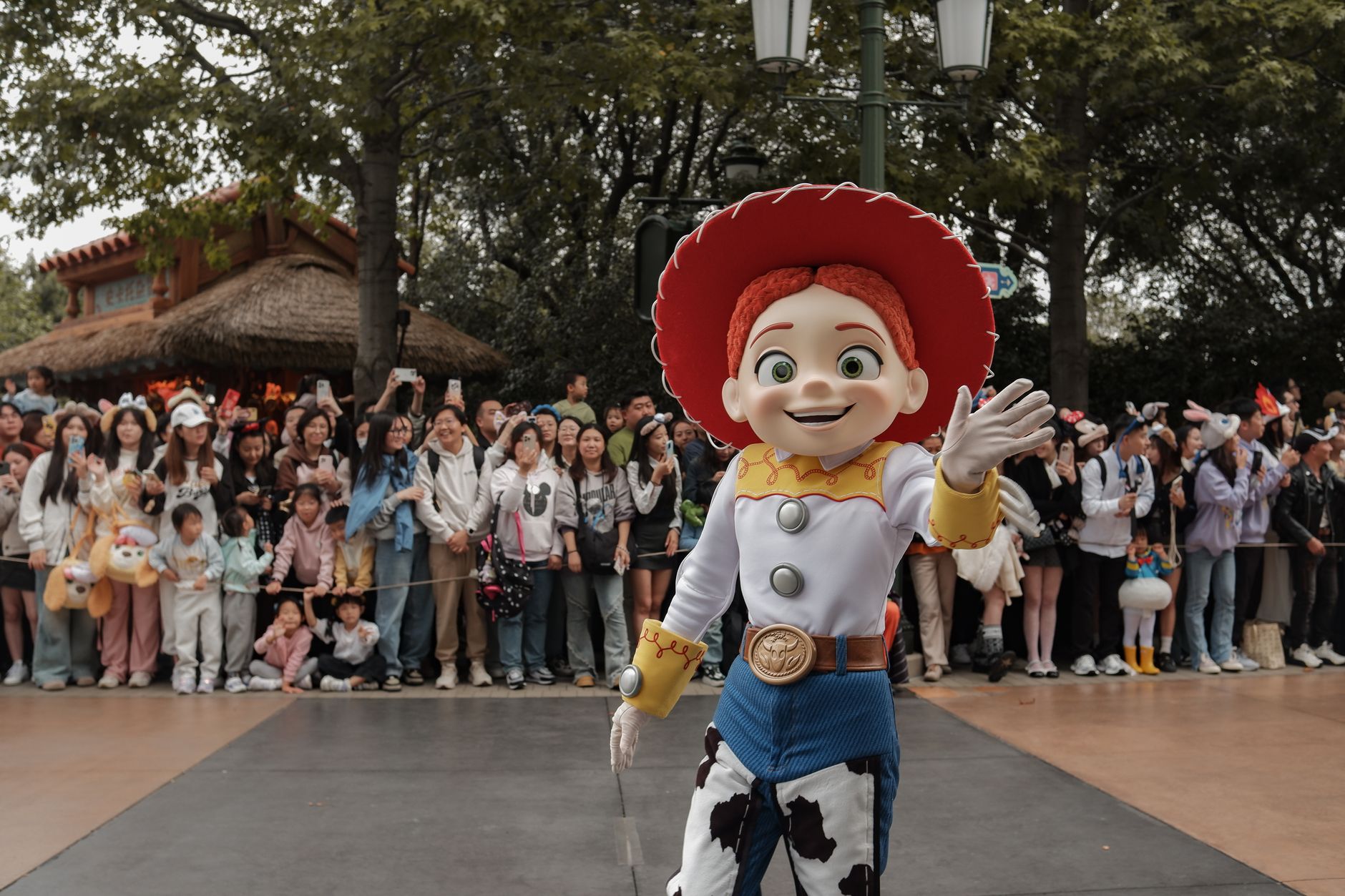

Jessie the Cowgirl
(Joan Cusack)
Introduced in Toy Story 2, Jessie introduced a darker narrative thread to the series: abandonment trauma. Her melancholic flashback song, "When She Loved Me" (composed by Randy Newman), changed the emotional weight of the series forever.
Mr. Potato Head
(Don Rickles)
Cynical, quick-tempered, but fiercely loyal, he serves as the classic blue-collar skeptic of the room.

2. Character Deep Dive: The Inhabitants of the Toy Box
The enduring appeal of the franchise rests squarely on its cast of distinct, deeply human personalities trapped in plastic, wood, and plush bodies.
The Leaders
- Sheriff Woody (voiced by Tom Hanks): Woody is a deeply flawed leader. He can be neurotic, envious, and controlling, yet his fierce loyalty to "his kid" and his friends makes him incredibly endearing. He is the ultimate protector of the status quo until his worldview is shattered.
- Buzz Lightyear (voiced by Tim Allen): Buzz represents the transition from delusional grandeur to grounded heroism. Once he accepts his identity as a toy, he becomes Woody's chief strategist, emotional anchor, and moral compass.
The Supporting Cast
- Jessie (voiced by Joan Cusack): Introduced in Toy Story 2, Jessie brings raw emotional energy and vulnerability to the screen. She suffers from claustrophobia and abandonment issues, stemming from years spent in a dark storage box after her owner Emily outgrew her.
- Mr. & Mrs. Potato Head (voiced by Don Rickles & Estelle Harris): The cynical, bickering married couple. Mr. Potato Head's ability to detach his facial features and limbs is used for brilliant physical comedy and espionage throughout the series.
- Rex (voiced by Wallace Shawn) & Slinky Dog (voiced by Jim Varney/Blake Clark): Rex is a neurotic, insecure Tyrannosaurus Rex who ironically fears conflict, while Slinky is Woody’s fiercely loyal deputy, physically linking the team together.
- Hamm (voiced by John Ratzenberger): A sarcastic, wise-cracking piggy bank who serves as the resident know-it-all.
3. Behind the Screen: The Revolutionary Technology of Pixar
To understand the magnitude of the first Toy Story, you have to look at the massive technical leaps required to make it exist. In 1995, computer graphics were largely relegated to short films, scientific models, and brief visual effects in live-action movies (like the dinosaurs in Jurassic Park).
The Birth of RenderMan
To render Toy Story, Pixar relied on its proprietary rendering software, RenderMan. Rendering is the process of taking 3D wireframe models, applying textures, lighting, and shadows, and turning them into 2D flat frames for a film. In 1995, the computing power required was staggering:
- Pixar used a "render farm" consisting of 117 Sun Microsystems computers.
- Each frame of the 81-minute movie took anywhere from 45 minutes to 30 hours to render, depending on its complexity.
- The entire movie required 800,000 machine hours of rendering.
- The total data for the first movie was roughly 140 Gigabytes—an amount of data that can easily fit on a modern smartphone today.
The Plastic Aesthetic Solution
One of the smartest decisions director John Lasseter and his team made was choosing toys as their subject matter. In the mid-1995 era of CGI, rendering organic materials like human skin, hair, and flowing water looked incredibly artificial and uncanny.
By focusing on hard, geometric objects made of plastic, wood, and metal, Pixar turned their technological limitations into a stylistic strength. A plastic toy should look shiny and perfect; a computer was uniquely suited to draw exactly that.
Evolution of Detail
As computing power grew exponentially, so did the detail in the films:
- Hair and Fur: In Toy Story (1995), Andy’s dog Buster had to be kept off-screen as much as possible because rendering fur was too difficult. By Toy Story 3 (2010), Lotso had over 3 million individual hairs, each reacting dynamically to wind, gravity, and touch.
- Dust and Wear: In the first film, environments were unnaturally clean. By Toy Story 4, Pixar’s rendering engine could calculate ray-traced light bouncing off microscopic dust motes floating in the air of an antique shop, and realistic scuffs on Woody’s plastic hands.
4. Cultural & Commercial Impact: More Than Just Movies
The Toy Story franchise is a massive commercial machine that has permeated global popular culture, theme parks, and the toy industry itself.
Box Office Supremacy
The franchise has generated over $3.2 Billion in theatrical box office revenue alone. This does not account for the staggering billions made in home media, streaming rights, and consumer merchandise.
Theme Parks: Stepping Inside the Toy Box
Disney has fully integrated Toy Story into its theme parks worldwide. The most prominent manifestation is Toy Story Land (located at Disney’s Hollywood Studios, Shanghai Disneyland, and Hong Kong Disneyland).
These lands are designed to make guests feel as though they have been shrunk down to the size of a toy, walking through Andy’s backyard surrounded by giant building blocks, giant green army men, and a high-speed Slinky Dog Dash roller coaster.
6. The Ultimate Ranking of the Toy Story Movies
While all the core films are masterpieces, they each bring something unique to the table. Here is how they stack up based on critical consensus, cultural impact, and narrative execution:
- Toy Story (1995): The undisputed king. Without its technical audacity and perfect screenplay, modern animation would not exist.
- Toy Story 2 (1999): The gold standard for sequels. It expanded the lore, introduced iconic characters like Jessie, and avoided the "sophomore slump."
- Toy Story 3 (2010): The emotional peak. It offered a devastatingly beautiful, mature conclusion to Andy's childhood that left adult audiences in tears.
- Toy Story 4 (2019): An excellent epilogue. While less strictly necessary than the first three, it pushed Woody’s personal growth to its logical, bittersweet conclusion.
- Toy Story 5 (2026): A timely, sharp commentary on the digital era. It proves the franchise still has plenty of creative juice left to tackle modern problems.
Whether you are a nostalgic millennial who watched the original in theaters or a parent introducing the series to a new generation, Toy Story remains a testament to the magic of movies. It teaches us that while our toys might not actually talk when we leave the room, the memories we make with them—and the lessons they teach us about love, loyalty, and letting go—will last forever.
Toy Story (1995): The Quest for Belonging and Identity
The original film establishes the core rule of this universe: toys come alive when humans leave the room. The narrative is a classic buddy-comedy built on existential dread. Sheriff Woody is Andy's undisputed favorite toy until Buzz Lightyear, a delusionally confident space ranger who doesn't realize he is a toy, arrives for Andy's birthday. The film's brilliance lies in how it frames childhood jealousy and the mid-life crisis of being replaced. When both toys are captured by Sid Phillips—the neighbor kid who mutilates toys for fun—they are forced to cooperate to survive. Buzz's realization that he cannot actually fly, set to Randy Newman's heartbreaking "I Will Go Sailing No More", is widely considered one of the most mature existential crises ever depicted in a family film.
Toy Story 2 (1999): The Discovery of Heritage and Mortality
Often cited as one of the greatest film sequels ever made, Toy Story 2 expands the universe by asking: What happens when a toy is no longer played with, but preserved? After Woody is accidentally placed in a yard sale and stolen by Al McWhiggin (the greedy owner of Al's Toy Barn), he discovers he is a rare, valuable collectible from a 1950s television show called Woody's Roundup. He meets his forgotten castmates: Jessie the Yodeling Cowgirl, his loyal horse Bullseye, and Stinky Pete the Prospector. Woody is faced with a choice: go to a museum in Japan where he will be safely preserved behind glass forever, or return to Andy, knowing Andy will eventually grow up and abandon him. Through Jessie's tragic backstory—beautifully illustrated in the song "When She Loved Me"—the film grapples with the pain of rejection and the acceptance of impermanence.
Toy Story 3 (2010): The Heartbreaking Art of Letting Go
Released eleven years after the second film, Toy Story 3 targeted the exact demographic that had grown up with the first two movies. Andy is now 17 years old and packing for college. The toys are accidentally donated to Sunnyside Daycare, an apparent paradise that is secretly a totalitarian prison run by Lotso, a bitter strawberry-scented bear who believes toys are "just trash." The film peaks in two highly emotional sequences:
- The Incinerator: Trapped in a landfill incinerator, facing certain death, the toys stop fighting and simply hold hands, accepting their fate together. It is an incredibly dark, profound moment for an animated film.
- The Hand-Off: Andy gives his beloved toys to an imaginative young girl named Bonnie. As Andy drives away, Woody looks on and says, "So long, partner," signaling the end of an era.
Toy Story 4 (2019): Existential Purpose and New Horizons
While many felt the third film was a perfect conclusion, Toy Story 4 explores the complex "life after retirement."
Woody is no longer the favorite toy; Bonnie frequently leaves him in the closet. When Bonnie creates "Forky"—a sentient spork made of trash who suffers from an existential crisis, believing his only purpose is to be warm garbage—Woody dedicates himself to protecting him.
The journey leads Woody to Bo Peep, who has become a "Lost Toy," traveling freely without a child. The film challenges the central dogma of the franchise: Does a toy's worth only come from belonging to a single child? In the end, Woody chooses to leave Buzz and the gang behind, choosing a life of independence with Bo Peep to help other lost toys find homes.
Toy Story 5 (2026): The Digital Frontier
The fifth installment of the franchise takes on the defining conflict of modern childhood: screen time vs. physical play. Directed by Andrew Stanton, the film follows Woody, Buzz, and the gang as they face their most formidable competitor yet: electronic devices. When Bonnie receives high-tech smart tablets (including a highly interactive, digital frog character named Lilypad), the classic plastic and plush toys find themselves completely ignored. The narrative explores how physical toys maintain their relevance in a digital world, pushing the boundaries of what it means to be played with in the 21st century.
How a Room Full of Toys Changed Cinema History
In 1995, a pull-string cowboy and a high-tech space ranger did the unthinkable: they walked across a screen made entirely of digital pixels, captured the hearts of millions, and permanently shifted the landscape of modern filmmaking. Before Toy Story, feature-length animation was synonymous with hand-drawn, paper-and-ink cels. After it, the medium belonged to the computer. But the true genius of the Toy Story franchise is not that it pioneered groundbreaking 3D rendering. It is that the technology always took a back seat to a much more powerful engine: unparalleled storytelling. This is the definitive, deep-dive pillar guide to the history, characters, technology, behind-the-scenes struggles, and cultural impact of Pixar's flagship saga.
1. The Core Chronology: The Evolution of a Masterpiece
The Toy Story saga is a multi-decade narrative arc that mirrors the real-world experience of growing up, moving on, and finding new purposes in life. Each film is a thematic pillar corresponding to a distinct stage of human development.


Rex
(Wallace Shawn)
Rex embodies imposter syndrome—a terrifying-looking dinosaur who suffers from severe clinical anxiety
Hamm
(John Ratzenberger)
Hamm, a piggy bank, provides deadpan pragmatic commentary.

ANIMATION TECHNOLOGY
3. Evolutionary Arc of the Quadrology
What makes the Toy Story franchise unique among animated series is how it matured alongside its original audience.
1995
TOY STORY
Jealousy & Identity
Focuses on jealousy, identity, and accepting that love isn't a finite resource.
1999
TOY STORY 2
Mortality & Legacy
Examines mortality and legacy. Woody is forced to choose between remaining perfect in a museum forever or returning to a child who will eventually outgrow and discard him.
2010
Toy Story 3
Mortality & Moving On
A bittersweet meditation on letting go. As Andy leaves for college, the toys face real mortality (personified by the incinerator scene at Sunnyside Daycare) and eventually transition to a new child, Bonnie.
2019
Toy Story 4
Self-Discovery & Purpose
Explores post-parental purpose and existential freedom. Woody learns that once his original mission is complete, he is allowed to carve out an identity for himself.
4. Cultural Impact and Pop Culture Legacy
It is difficult to overestimate the impact of Toy Story on global popular culture. Its influence spans technology, industrial design, language, and consumer behavior.
1. The Technological Paradigm Shift
Toy Story completely transformed the animation industry. Before 1995, 2D hand-drawn traditional animation (led by the Disney Renaissance with films like The Lion King and Beauty and the Beast) was the industry standard. Toy Story demonstrated that CGI was viable for feature films, triggering an industry-wide pivot. Within fifteen years, traditional 2D animation was almost entirely phased out of mainstream American theatrical releases.
2. Catchphrases in the Cultural Lexicon
Lines written for the franchise have integrated permanently into modern vernacular:
- "To infinity and beyond!" became a global catchphrase representing boundless ambition. It has been quoted by astronauts, politicians, and athletes alike.
- "You are a toy!" is widely used in popular culture as an idiom to remind someone of their actual limitations when operating under hubris or delusions of grandeur.
- "There's a snake in my boot!" remains one of the most recognizable toy sound-bite references in history.
3. Impact on Real-World Toys
The release of Toy Story had an immediate, profound impact on the real-world toy industry:
- Etch A Sketch & Mr. Potato Head: Sales for Ohio Art’s Etch A Sketch skyrocketed by over 200% after the film featured the character drawing quick-draw gun holsters. Hasbro’s Mr. Potato Head experienced a massive renaissance in global sales.
- The Slinky Dog Revival: The classic Slinky Dog was out of production prior to the movie; Pixar's inclusion brought the original manufacturer back into business to handle millions of pre-orders.
- Real-World Buzz Lightyears: When Thinkway Toys manufactured the actual Buzz Lightyear action figure in 1995, demand so radically outstripped supply that figures were reselling on secondary markets for hundreds of dollars—a precursor to modern collector culture
4. Theme Parks and Extended Media
Toy Story expanded well beyond the confines of silver screens. Disney built entire themed immersive environments—Toy Story Land—at Disney’s Hollywood Studios in Florida, Hong Kong Disneyland, Shanghai Disneyland, and Walt Disney Studios Park in Paris. These lands shrink guests down to the size of a toy in Andy's backyard, proving the franchise's enduring spatial and generational appeal.
5. Why the Legend Endures
The Toy Story franchise stands as a crowning achievement of contemporary storytelling because it treats its audience—both children and adults—with profound intellectual and emotional respect. On the surface, it provides slapstick physical comedy, thrilling escape sequences, and colorful visual imagination. Beneath that surface, it engages with life's weightiest questions: What happens when those we love outgrow us? How do we find value when our primary job is done? What does it mean to be loyal? By endowing inanimate objects with deep vulnerability, Pixar created a mirror through which audiences can examine their own lives, childhoods, and inevitable growth. Sheriff Woody, Buzz Lightyear, and the rest of Andy’s room did not just pioneer a new era of computer animation—they earned a permanent place in the pantheon of cinematic history.
BEHIND THE SCENES
The Making of Toy Story 1
01
Infinity and Beyond: The Historic Making of Toy Story
Introduction: The Threshold of a New Medium
When Toy Story premiered in theaters on November 22, 1995, it was greeted not merely as a children's comedy, but as a cultural tectonic shift. For nearly a century, moving-image animation had been defined by the tactile friction of graphite on paper, the delicate layering of painted cels, and the painstaking stop-motion manipulation of clay and armature. Toy Story shattered that paradigm. As the world’s first fully computer-animated feature film, it traded physical ink and paint for algorithms, matrices, and digital polygons.
Yet, looking back across the decades, the true miracle of Toy Story was never merely technological. Computers had been used for visual effects and short segments for years, and digital rendering power was steadily climbing. The profound achievement of the film—steered by a small, stubborn band of misfits, artists, and computer scientists at a struggling hardware-company-turned-animation-studio called Pixar—was its insistence that technology must serve character, emotion, and story.
Had it been conceived solely as a technical showcase, Toy Story would have been a forgotten novelty of the 1990s. Instead, through a grueling, high-stakes crucible of creative near-death experiences, corporate warfare, and visionary artistic breakthroughs, it birthed a new cinematic language and redefined modern animation forever.
Part I: The Genesis — From Lucasfilm to an Apple Orphan
The roots of Toy Story stretch far back into the 1970s and 1980s, long before anyone at Disney or Pixar uttered the names Woody or Buzz Lightyear. The saga begins with Ed Catmull, a computer science pioneer who, as a graduate student at the University of Utah, nurtured a seemingly impossible dream: to make the world’s first computer-animated feature film. In 1979, George Lucas recruited Catmull to head the newly formed Computer Division at Lucasfilm. Lucas wanted digital tools to revolutionize film editing, sound, and visual effects. Catmull assembled a brilliant crew of computer scientists, physicists, and programmers, including Alvy Ray Smith, Bill Reeves, Loren Carpenter, and Tom Porter. They developed digital compositing systems, particle effects, and early rendering techniques, catching glimpses of a digital future.

In 1984, the division hired a young, restless Disney animator named John Lasseter. Lasseter had been captivated by the potential of computer graphics after seeing the lightcycles in Disney’s Tron (1982). When he arrived at Lucasfilm, he merged his traditional character animation training with the mathematical wizardry of Catmull’s engineers. The result was The Adventures of André & Wally B. (1984), followed by the groundbreaking short Luxo Jr. (1986). Featuring a parent and child desk lamp playing with a small ball, Luxo Jr. proved something revolutionary: inanimate, manufactured objects could project genuine emotion, weight, and personality through movement alone. Luxo Jr. won critical acclaim and became the heartbeat of Pixar's corporate identity.
By 1986, Lucasfilm needed cash infusions, and the computer division was spun off into an independent company. It was purchased by Steve Jobs, who had recently been ousted from Apple Computer. Jobs invested heavily in the fledgling company, renaming it Pixar and focusing initially on selling the high-end hardware known as the Pixar Image Computer. While the hardware business struggled, Pixar’s creative division kept pushing the envelope of digital filmmaking. In 1988, Lasseter directed Tin Toy, a short film told from the perspective of a small, one-man-band toy trying to escape a destructive, drooling baby. Tin Toy made history by becoming the first computer-animated film to win an Academy Award for Best Animated Short. Crucially, it established the thematic universe that would ultimately define Pixar's cinematic debut: What if toys had feelings, and what is their primary purpose? To be played with.
Part II: The Disney Deal and the Birth of a Feature
Following the success of Tin Toy, Walt Disney Feature Animation took notice. Jeffrey Katzenberg, then the fiercely ambitious head of Disney film production, wanted to lure John Lasseter back to the House of Mouse. Lasseter, deeply grateful to Steve Jobs and his fellow Pixar artists who had believed in his vision when Disney had rejected it, chose to stay. He famously told Ed Catmull, "I can go to Disney and be a director, or I can stay here and make history."
Realizing he could not buy Lasseter away, Katzenberg decided to partner with Pixar. In July 1991, Disney and Pixar signed a historic $26 million contract to produce the world’s first computer-animated feature film, code-named Toy Story.Realizing he could not buy Lasseter away, Katzenberg decided to partner with Pixar. In July 1991, Disney and Pixar signed a historic $26 million contract to produce the world’s first computer-animated feature film, code-named Toy Story.
The initial concept for the movie grew directly out of Tin Toy. It was to be a half-hour television special titled Tin Toy Christmas, featuring Tinny the mechanical musician and a ventriloquist's dummy named Woody. When Disney upgraded the project to a full-length feature film, Katzenberg and Disney executives demanded creative control. They sent notes, rewrites, and executive mandates that threatened to strip the project of Pixar's unique voice.
Most disastrously, Disney insisted on making the film "edgier", pushing for cynical, sarcastic humor to appeal to a broader demographic. Under these notes, Woody was transformed from a warm, insecure leader into a cruel, abusive tyrant who belittled and terrorized the other toys out of fear of losing his status.
Part III: "Black Friday" and the Creative Crisis
By November 1993, Pixar was required to screen a reel of the film's progress for Disney executives. This milestone presentation—subsequently referred to within Pixar as "Black Friday"—was an absolute disaster.
The reel, comprising about half of the film's storyboarded sequences matched with early dialogue tracks, revealed a toxic catastrophe. Woody came across as completely unlikable—a malicious, abusive jerk whom the audience wanted to see fail. Sitting in a conference room at Burbank, the Disney executives watched in stony silence. Katzenberg shut down production immediately. He ordered Pixar to halt work, gave them two weeks to completely overhaul the story, and threatened to pull the plug on the entire enterprise.
Pixar was staring down total annihilation. If Disney canceled the contract, Pixar would likely go bankrupt, and Steve Jobs would lose tens of millions of dollars.
In response, a small core creative team—consisting of John Lasseter, Andrew Stanton, Pete Docter, Joe Ranft, and a few key writers—locked themselves in a small room at Pixar’s Point Richmond headquarters. They worked around the clock for two weeks, dissecting every flaw in the narrative.
The breakthrough came when they fundamentally shifted Woody's psychology. Woody shouldn't be a cruel tyrant; he should be a vulnerable, anxious leader whose entire self-worth is tied up in being Andy’s favorite toy. When a shiny, high-tech space ranger named Buzz Lightyear arrives and threatens that status, Woody’s jealousy and fear feel profoundly human and relatable. They also softened Buzz: instead of a character who knew he was a toy from the start, Buzz was written to be completely, earnestly delusional, believing he was a literal space cadet stranded on an alien planet.
The breakthrough came when they fundamentally shifted Woody's psychology. Woody shouldn't be a cruel tyrant; he should be a vulnerable, anxious leader whose entire self-worth is tied up in being Andy’s favorite toy. When a shiny, high-tech space ranger named Buzz Lightyear arrives and threatens that status, Woody’s jealousy and fear feel profoundly human and relatable. They also softened Buzz: instead of a character who knew he was a toy from the start, Buzz was written to be completely, earnestly delusional, believing he was a literal space cadet stranded on an alien planet.
Part IV: Building a Digital Universe — The Technical Odyssey
With the story finally locked, Pixar faced an unprecedented technical mountain. In 1994, computer hardware and software capabilities were primitive by modern standards. Creating a feature-length film required writing entirely new tools, inventing rendering pipelines, and pushing machines far beyond their intended limits.
1. Modeling and the Art of the "Avars"
Every single object in Toy Story—from Andy’s bedroom wallpaper to Woody’s cowboy hat—had to be built from scratch in three-dimensional space. Unlike hand-drawn animation, where a character can be drawn slightly differently from frame to frame to convey emotion, a CG character is a rigid mathematical mesh controlled by digital joints and articulation points known as "avars" (animation variables).
- Woody was an engineering nightmare. Because he was made of cloth, vinyl, and string, his body had to bend organically without collapsing. He required 712 avars, including 212 dedicated solely to his face to capture subtle sneers, smiles, and eye movements.
- Buzz Lightyear presented a different challenge: gleaming plastic, hard edges, retractable wings, and a transparent helmet that required complex simulation of light refraction and reflections.
- Human characters, such as Andy and the sadistic neighbor Sid, were notoriously difficult. In the mid-1990s, human skin looked rubbery and corpse-like when rendered digitally (the uncanny valley). To bypass this limitation, the animators focused on stylized, caricatured human designs that felt appropriate for a toy’s-eye-view world.
2. The Render Farm and RenderMan
Once a scene was animated, it had to be "rendered"—a process where computers calculate light rays, shadows, textures, and reflections for every single pixel in every single frame. Pixar utilized their proprietary rendering software, RenderMan, running on a "render farm" consisting of 117 Sun Microsystems computers working in tandem day and night. Rendering a single frame of Toy Story could take anywhere from one hour to over thirty hours depending on complexity. In total, the film required over 800,000 machine hours of computing power. If a computer crashed, or if power flickered in the Point Richmond warehouse, progress could be lost. Animators routinely slept under their desks, sustaining themselves on pizza and coffee, hyper-aware that they were building something that had literally never existed before.
Part V: Casting and Performances — Breathing Life into Plastic
While the technical teams wrestled with algorithms, the creative team focused on casting. Lasseter knew that the voices would anchor the audience's emotional connection to inanimate objects.
For Sheriff Woody, Lasseter wanted Tom Hanks, believing Hanks possessed a unique ability to take flawed, nervous characters and infuse them with an underlying charm and earnestness. When Hanks was approached, he was immediately drawn to the role. Famously, Hanks recorded most of his dialogue across several intense sessions, often sweating profusely as he shouted, laughed, and cried into the microphone to capture Woody's frantic energy.
For Buzz Lightyear, the studio initially considered Billy Crystal (who later happily accepted the role of Mike Wazowski in Monsters, Inc.). When Crystal turned it down, Tim Allen—then the star of ABC's smash-hit sitcom Home Improvement—was cast. Allen brought a stiff, authoritative, yet ultimately endearing deadpan delivery that perfectly matched Buzz’s delusional space-ranger persona.
The supporting cast was populated by legendary character actors and comedic icons:
- Don Rickles as Mr. Potato Head, bringing his signature sarcastic bark to a plastic spud.
- Jim Varney as Slinky Dog, offering a warm, Southern-drawled loyalty.
- Wallace Shawn as Rex, the anxious, neurotic Tyrannosaurus Rex terrified of not being scary.
- Annie Potts as Bo Peep, providing a calm, romantic anchor for Woody.
- John Ratzenberger as Hamm the piggy bank, establishing a tradition where Ratzenberger would appear in every single Pixar film moving forward.
Part VI: The Musical World of Randy Newman
Music played a vital role in elevating Toy Story from a technical milestone to an emotional journey. John Lasseter turned to legendary singer-songwriter Randy Newman to score the film and write its original songs.Newman understood immediately that a movie about toys coming to life required a timeless, Americana-infused musical landscape. Rather than writing music that mocked the toys or played up the "computer" gimmick, Newman wrote soulful, rootsy Americana tracks that underscored the deep, existential yearning of childhood friendship.
His centerpiece song, "You've Got a Friend in Me," became an instant classic, setting the thematic tone for the entire franchise. Newman received Academy Award nominations for both Best Original Song and Best Original Score, cementing the film's artistic legitimacy in the broader Hollywood ecosystem.
Part VII: Release, Reception, and Cultural Legacy
By the fall of 1995, the exhausting four-year marathon was drawing to a close. Steve Jobs, who had financed Pixar through years of heavy losses and near-insolvency, prepared the company for an initial public offering (IPO).
Toy Story premiered at the El Capitan Theatre in Los Angeles on November 19, 1995, and rolled out wide across North America on November 22. The cultural response was immediate and overwhelming. Audiences of all ages flooded theaters, marveling not just at the crisp 3D imagery, but at the sophisticated storytelling, sharp wit, and emotional depth.
The box office returns were staggering. Toy Story opened at #1, grossing over $192 million domestically and more than $362 million worldwide, making it the highest-grossing film of 1995 domestically.
Critical praise was unanimous. Reviewers lauded the film for bridging the gap between cutting-edge technology and classic narrative structure. In a historic milestone for animation, Toy Story received three Academy Award nominations: Best Original Score, Best Original Song, and Best Original Screenplay (written by Joss Whedon, Andrew Stanton, Joel Cohen, and Alec Sokolow). It was the first time in Oscar history that an animated feature was recognized in a writing category, shattering the glass ceiling that had long relegated animation to a "children's genre."
Critical praise was unanimous. Reviewers lauded the film for bridging the gap between cutting-edge technology and classic narrative structure. In a historic milestone for animation, Toy Story received three Academy Award nominations: Best Original Score, Best Original Song, and Best Original Screenplay (written by Joss Whedon, Andrew Stanton, Joel Cohen, and Alec Sokolow). It was the first time in Oscar history that an animated feature was recognized in a writing category, shattering the glass ceiling that had long relegated animation to a "children's genre."
Conclusion: Infinity and Beyond
The making of Toy Story was a high-stakes gamble against impossible odds. It required a union of art and science that had never been successfully executed before. Had the artists and engineers not possessed the stubborn resilience to survive "Black Friday," had Steve Jobs not kept the lights on with his personal fortune, and had John Lasseter not insisted that emotion must always triumph over technology, the digital animation revolution might have been delayed by a decade.
Instead, Toy Story opened a door to a new era of filmmaking. It proved that stories could be told in entirely new dimensions without losing their humanity. In conquering the challenges of pixels, polygons, and rendering farms, Pixar didn't just build a movie—they built a magical gateway that invited generations of moviegoers to look at their own rooms, their own toys, and their own friendships with entirely new eyes, proving that with imagination, cinematic storytelling truly could go to infinity and beyond.
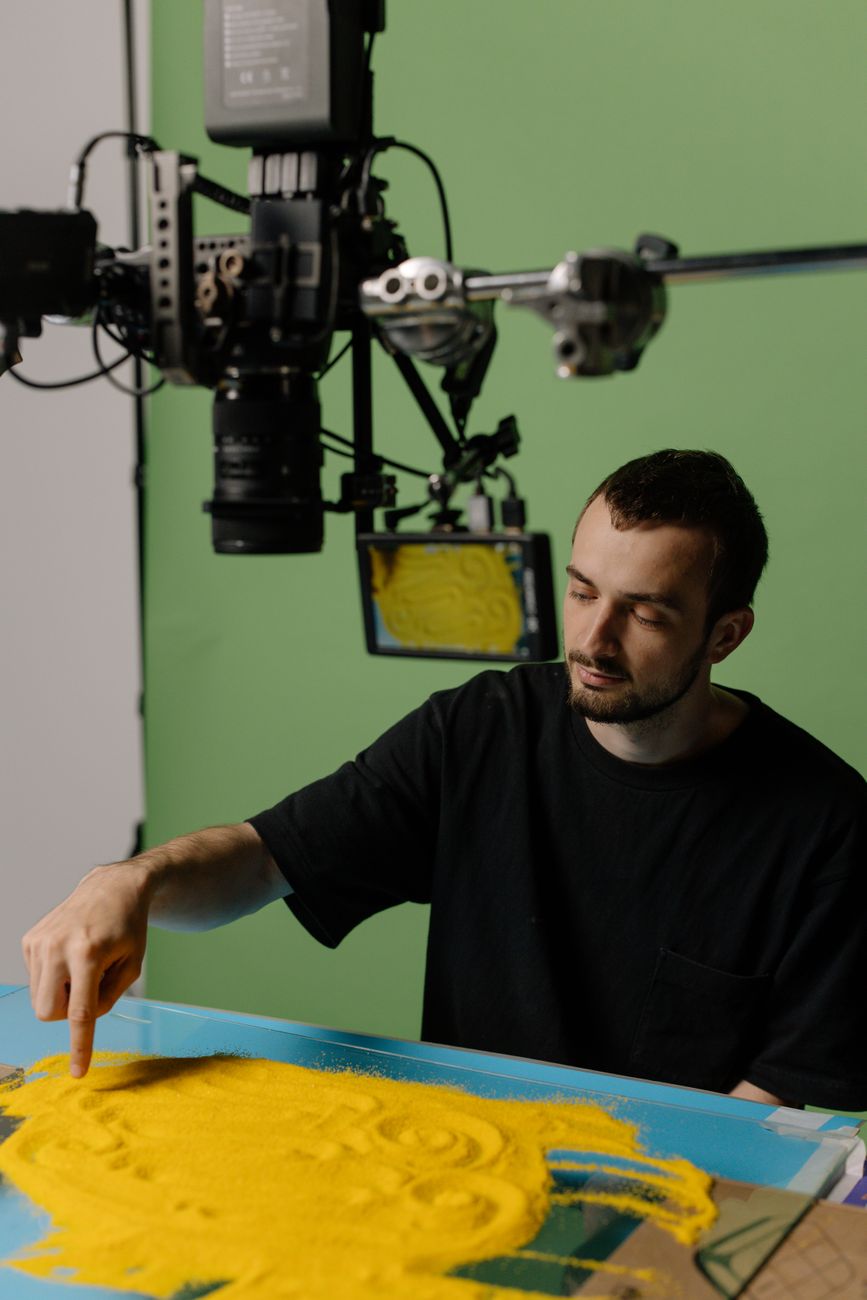
02
The Making of Toy Story 2
Part I: The Direct-to-Video Compromise
When Toy Story became a massive, ground-breaking triumph in 1995, Disney and Pixar knew they had a goldmine. However, their initial contract—a highly lopsided five-picture deal heavily favoring Disney—did not account for sequels.
Disney’s CEO at the time, Michael Eisner, had a highly profitable business model: release cheap, direct-to-video (DTV) sequels to theatrical hits (like The Return of Jafar). They were inexpensive to produce, required zero theatrical marketing budgets, and sold millions of VHS tapes. Disney wanted the same treatment for Toy Story 2.
Pixar’s chief, Steve Jobs, and creative leader, John Lasseter, resisted. They feared a low-budget sequel would tarnish the Pixar brand. However, under the strict terms of their deal, Pixar was obligated to make the film if Disney wanted it. Worse, Disney insisted that a DTV sequel would not count toward Pixar's five-picture theatrical obligation.
Eventually, a compromise was reached: Pixar would produce the film, but they set up a separate, lower-cost production house.
The "A-Team" vs. "B-Team" Division
During the late 90s, Pixar’s core creative team (the "A-Team" consisting of John Lasseter, Andrew Stanton, Pete Docter, and Joe Ranft) was entirely consumed by A Bug's Life (1998). Toy Story 2 was handed over to a separate group, often referred to within the studio as the "B-Team," directed by Ash Brannon. They set up operations in a separate building in Point Richmond, California. Cut off from the main energy of the studio, the production struggled to find its creative footing.
Part II: The Sudden Upgrade & The Creative Crisis
As the "B-Team" compiled early story reels (animatic storyboards put to temp music and scratch dialogue), the potential of the film became undeniable. The humor was there, and the characters were still deeply loved.
As the "B-Team" compiled early story reels (animatic storyboards put to temp music and scratch dialogue), the potential of the film became undeniable. The humor was there, and the characters were still deeply loved.
The Creative Wake-Up Call
When A Bug's Life wrapped in late 1998, John Lasseter and his core team finally turned their attention to Toy Story 2. What they saw horrified them. The film lacked the emotional depth, pacing, and visual polish of a theatrical Pixar movie. The stakes were too low. In the original draft:
- Woody was kidnapped by Al, but his journey was a simple rescue mission.
- Jessie the Cowgirl was a secondary, bitter character with no tragic backstory.
- The emotional core—the existential dread of a toy being outgrown by its child—was largely absent.
Lasseter went to Disney and asked for an extension to fix the story. Disney’s response was a flat no. The promotional tie-ins, McDonald's Happy Meal contracts, and theater bookings were already legally locked in. If Pixar wanted to fix the movie, they had to do it on the fly, with less than a year left before release.
Part III: The Legendary 48-Hour Rewrite
In what has become legend in the animation industry, Lasseter, Andrew Stanton, Pete Docter, and Joe Ranft locked themselves in a room over a single weekend. They tore the script apart and rebuilt it from scratch, introducing the elements that made the film a masterpiece:
- The Toy Collector's Dilemma: They raised the stakes by giving Woody a choice. He wasn't just a captive; he was offered immortality in a museum in Japan versus a temporary, mortal life with Andy.
- Jessie’s Backstory: To make Woody’s choice difficult, they needed someone to advocate for the museum. They rewrote Jessie, giving her a heartbreaking past. This led to the creation of the sequence set to Sarah McLachlan’s "When She Loved Me"—a scene that remains one of Pixar's greatest emotional milestones.
- The Addition of Wheezy and Buster: They added the broken penguin, Wheezy, to show the reality of a toy being shelved and forgotten, giving Woody a visceral fear of his own impending abandonment.
With the script rewritten, the entire studio entered an unprecedented state of emergency. They had just nine months to animate, render, and light a film that would normally take three to four years to produce.
Part IV: The Night the Movie Was Deleted
As if the creative pressure wasn't enough, the production suffered a catastrophic technical disaster that nearly wiped the entire film off the face of the Earth.
During active production, Pixar operated on a highly collaborative, open Unix-based network. To allow animators, modelers, and technical directors (TDs) to work fast, almost everyone had write-and-delete access to the master server.
In 1998, an unnamed employee was attempting to do some routine file cleanup on the server. They ran a standard Unix deletion command:
Bash
rm -rf *
- rm stands for remove.
- -r forces the system to recurse down into all subdirectories.
- -f forces deletion without asking for confirmation.
- * targets everything in the current directory.
Unfortunately, the command was executed at the root level of the master Toy Story 2 directory. The story of how Toy Story 2 was nearly erased from existence is one of the most famous, terrifying, and ultimately miraculous "tech disaster" stories in Hollywood history. In 1998, with the film deep in production and hundreds of animators, technical directors, and artists working around the clock, a single line of code almost destroyed years of work.
The Command That Erased Woody
It all started in the master directory on Pixar's servers where all the 3D assets for Toy Story 2 were stored. An unnamed animator was trying to do a routine cleanup of their own files. However, they accidentally ran a notorious Unix command—rm -rf—at the root level of the project's shared drive. What rm -rf does: In computer coding, this is a "force remove" command. It recursively clears out files and subdirectories instantly, without asking for confirmation. Oren Jacob, the Associate Technical Director for Toy Story 2, was looking at a directory of Woody’s character model when he noticed something bizarre:
- First, Woody's hat disappeared.
- Then, Woody's boots vanished.
- Soon, entire folders of character models, textures, and lighting rigs were evaporating in real-time
Jacob quickly called the system administrator and yelled to pull the plug, but by the time they literally disconnected the power to the main servers, roughly 90% of the film's production files had already been deleted.
The Backup Failure
At first, the team didn't panic. This is what backups are for, right? Unfortunately, Pixar's backup system had silently failed. The tape drive backups had run out of disk space. Instead of alerting the IT team, the system simply stopped copying new files, meaning the "backups" they had were corrupted, empty, or severely outdated. When they tried to restore the film, they realized they had lost months of painstaking work, representing millions of dollars.
Enter the Hero: Galyn Susman
Just as despair set in, the movie's Supervising Technical Director, Galyn Susman, remembered something. She had recently given birth to her son and was working from home to care for him. Because she was remote, Pixar had set up a Silicon Graphics computer at her house, and she had been downloading the film's assets to her local drive to continue working. Jacob and Susman rushed to her house, carefully packed her computer into the back seat of a car (buckling it in with seatbelts like a newborn baby), and drove it back to Pixar.
The Reconstruction
When they booted up Susman's computer at the studio, they found a goldmine: a nearly complete backup of the entire film that was only a couple of weeks old.
The team spent the next several days working in shifts, painstakingly comparing Susman's files with what was left of the server files, verifying every single pixel, and rebuilding the film.
Thanks to Galyn Susman, the movie was saved. Toy Story 2 went on to be a massive box office hit and holds a rare, coveted 100% on Rotten Tomatoes. Susman remained a crucial leader at Pixar for decades, eventually serving as the producer for the 2022 film Lightyear.
Watching the Movie Vanish
Associate Technical Director Oren Jacob was looking at a directory containing Woody’s character assets when he hit refresh. He noticed the file count drop. He hit refresh again. Woody's boots disappeared. Then Woody's hat. The recursive deletion was chewing through the film's master assets like a digital worm. "He had an error... Directory no longer valid. Then he thought to walk up [a directory] and we saw Hamm, Potato Head, and Rex. Then we looked at it again and there was just Hamm and then nothing." — Oren Jacob Panicked, Jacob called down to the system admin room and yelled for them to pull the power cords directly out of the walls to stop the command. They succeeded, but it was too late. Roughly 90% of the active production assets had already been erased.
The Silent Failure of the Backups
Normally, a studio restores from tape backups. But when Pixar’s IT team attempted to restore the files, they discovered a horrifying truth: the backups had been silently failing for over a month.
The backup tape drive had run out of space due to the movie's ballooning file sizes (hitting a hard 4GB limit), but instead of throwing an error, the backup system quietly stopped writing new data while falsely reporting "success".
The team was facing the total loss of two years of work.
The Maternity Leave Miracle
Just as despair set in, someone remembered Galyn Susman.
Susman, the film’s supervising technical director, had recently given birth and was working from home to care for her baby. To make this possible, Pixar had set up a prototype workstation in her home that copied the entire movie database once a week.
Oren Jacob and Susman immediately drove to her house, wrapped her computer in blankets, buckled it carefully into the back seat of a car like a newborn child, and drove it slowly back to Pixar headquarters.
Upon plugging it in, they found the drive was healthy. They lost only a few days of work rather than years. The production was saved from digital oblivion, only to face the daunting task of actually finishing the film.
Part V: The Nine-Month Crunch
With the assets recovered and the story completely rewritten, Pixar entered what many employees still refer to as the darkest, most exhausting production period in the studio's history.
To animate, light, render, and assemble a 90-minute feature film in nine months required an unprecedented level of sacrifice.
The human cost was immense:
Metric | Standard Pixar Film | Toy Story 2 |
|---|---|---|
Production Cycle | 3 to 4 Years | 9 Months |
Work Weeks | 40 - 50 Hours | 80 - 100+ Hours |
Physical Toll | Low to Moderate | Severe (RSI, extreme exhaustion) |
- Over one-third of the staff suffered from Repetitive Strain Injuries (RSI) or carpal tunnel syndrome due to the endless hours at computers.
- The studio set up triage areas with massage therapists and ergonomic specialists to keep animators' wrists functioning.
- In one infamous, heartbreaking incident, an exhausted animator drove to work, parked, and walked into the studio, completely forgetting they had left their baby asleep in the back seat of the car. Hours later, realizing the mistake, they rushed out; thankfully, the baby was fine, but it served as a terrifying wake-up call to the level of sleep-deprivation the staff was enduring.
Despite the toll, the studio's morale was fueled by a shared, desperate belief in the quality of the story they were telling. They refused to let their first sequel be a failure.
Part VI: Triumph Against All Odds
On November 24, 1999, Toy Story 2 opened in theaters. Against all structural, creative, and technical odds, the film was a staggering masterpiece. It achieved something almost entirely unprecedented in Hollywood history: it surpassed the original film both critically and commercially.
- Critical Acclaim: The film holds a rare, near-perfect 100% on Rotten Tomatoes
- Box Office: It grossed over $497 million worldwide, completely overshadowing the box office performance of the original.
- Legacy: It proved that Pixar was not a one-hit wonder. It cemented their creative philosophy—that "story is king"—and established the studio's dominance in the global animation landscape.
The legacy of Toy Story 2 is bittersweet. It is remembered as a creative triumph, but also as the film that forced Pixar to fundamentally restructure its pipeline, enforce strict file security, and completely change how they managed employee burnout to ensure such a brutal crunch would never happen again.